
Identifying Hidden Moisture Damage Behind Exterior Siding
When you own a home in Springfield, you know that our weather is anything but predictable. From intense summer humidity to brutal blizzards that leave behind dangerous ice dams, your home's exterior takes a continuous beating. While most homeowners pay close attention to their roofs, the exterior cladding is just as critical for keeping the elements out. Unfortunately, moisture can sneak behind your siding, causing extensive hidden damage long before it becomes visible from the curb.
Water intrusion is one of the most destructive forces a house can face. It compromises structural integrity, ruins insulation, and creates an environment where mold thrives. Because this damage often occurs behind the scenes, it can go unnoticed for years, turning what would have been a minor repair into a major structural overhaul. At TRM Exteriors, our deep background in manufacturing and distribution has taught us exactly how moisture interacts with different exterior materials in the Pioneer Valley. In this guide, we will walk you through how to spot the early warning signs of water damage, how to prevent wood rot, and what to look for when inspecting your home's defenses.
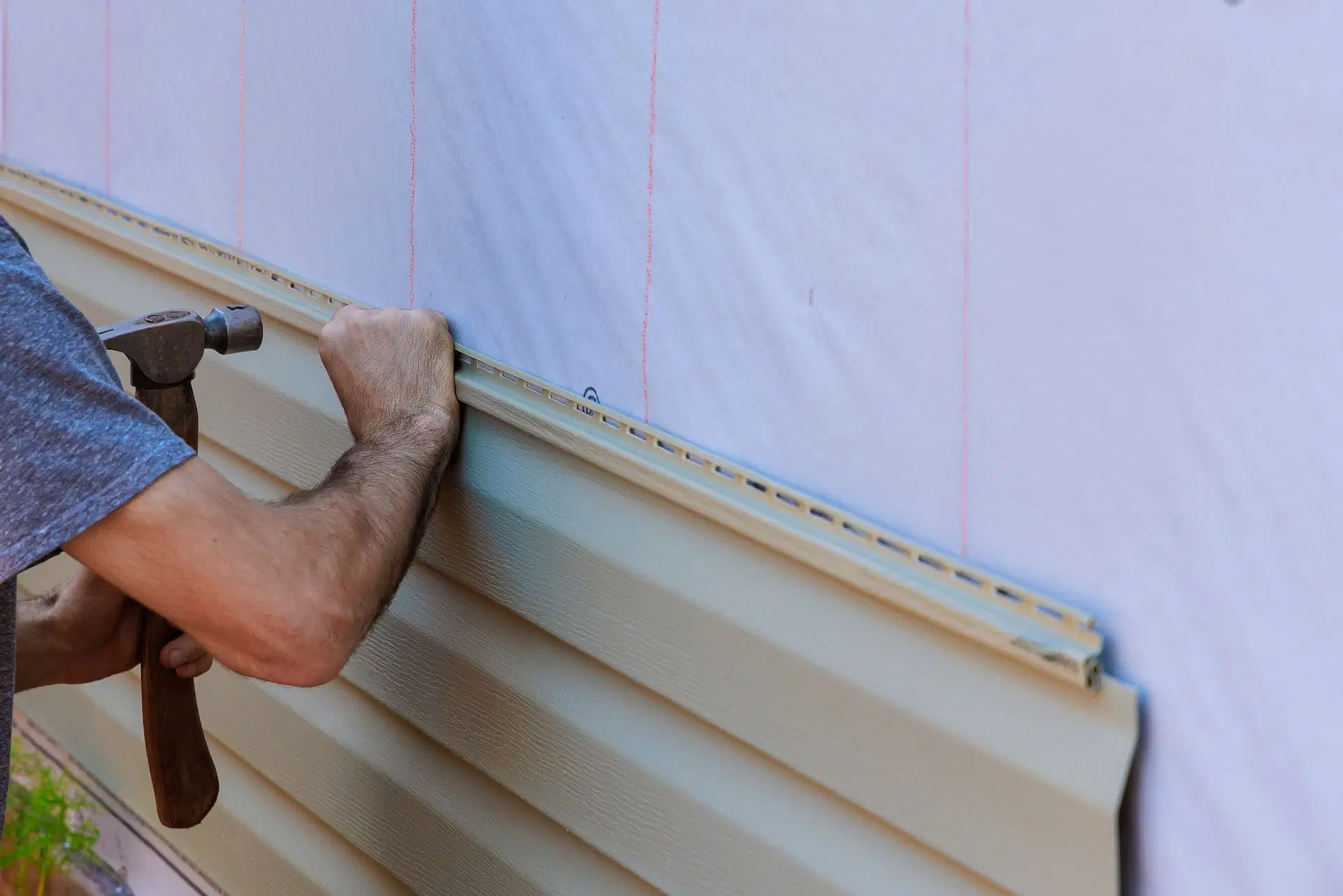
Signs of Water Damage Behind Vinyl Siding
Vinyl is incredibly popular because it is durable and low maintenance. However, it is not entirely waterproof on its own; it relies on the protective layers beneath it. Knowing how to tell if siding is leaking moisture can save you from a major headache down the road.
One of the first signs of water damage behind vinyl siding is a noticeable warping or buckling of the panels. If your siding no longer sits flat or appears wavy, moisture may have swollen the wood sheathing underneath, pushing the panels outward. You should also be on the lookout for persistent peeling paint or bubbling wallpaper on your interior walls, as water trapped behind the exterior cladding often tries to escape inward.
Another clear indicator is the presence of mold, mildew, or algae on the siding itself, particularly in shaded areas. While a small amount of surface algae can simply be a result of humidity, excessive growth can point to a localized moisture problem. If you notice a musty odor inside your home, particularly in rooms adjacent to the exterior walls, water has likely penetrated the barrier. Additionally, check for loose or rusty nails around the panels, as moisture causes fasteners to corrode and lose their grip over time.
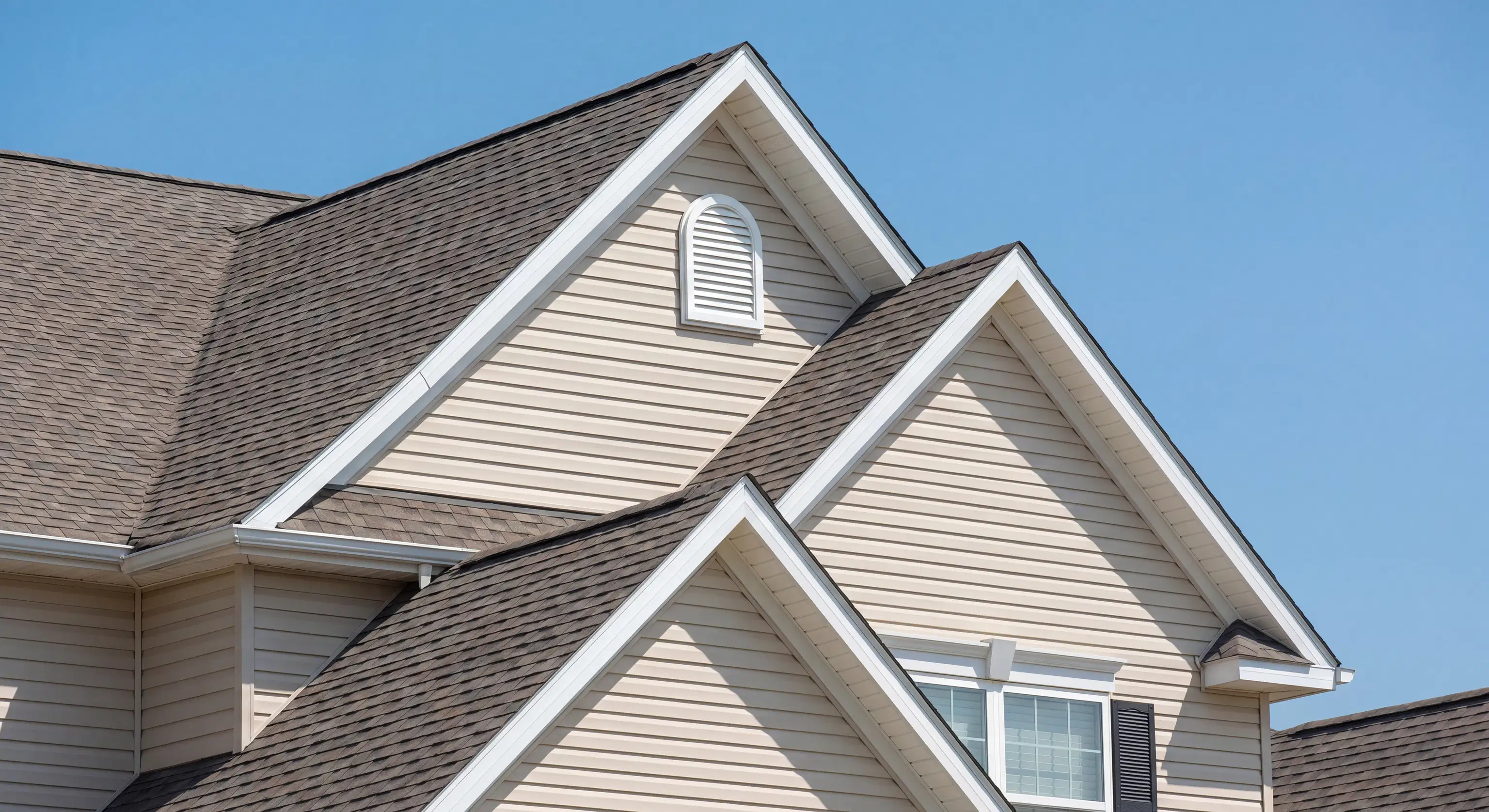
Preventing Wood Rot Under Exterior House Cladding
Wood rot is a homeowner's worst nightmare, particularly for historic properties often referred to as The City of Homes. Preventing wood rot under exterior house cladding starts with ensuring that water is properly diverted away from vulnerable areas. This means your gutters must be clear and fully functional, and your roofline must be properly sealed.
Much of the water damage we see actually stems from compromised roof edges rather than the siding itself. When ice dams form during our harsh New England winters, water is forced back up under the shingles and down behind the siding. This makes maintaining your fascia and soffit absolutely vital. These components bridge the gap between your roof and your siding, providing essential attic ventilation and acting as a primary defense against wind-driven rain and snowmelt. If your fascia boards are rotting or your soffit vents are blocked, moisture will inevitably find its way behind your exterior walls.
Furthermore, preventing rot requires properly flashed windows and doors. Any penetration in the siding is a potential entry point for water. A comprehensive exterior approach—where the roof, gutters, windows, and siding are all evaluated together—is the most effective way to keep your structural wood bone-dry.
House Wrap and Weather Barrier Inspection Steps
Even the highest quality siding will fail if the underlying weather protection is compromised. The weather resistant barrier, commonly known as house wrap, is your home's true waterproof layer. It is designed to allow water vapor to escape from the inside while preventing liquid water from entering from the outside.
During house wrap and weather barrier inspection steps, professionals look for tears, improper overlaps, or areas where the barrier has degraded over time. When we manage a multi-part exterior project, your dedicated project manager personally oversees this phase. We check that all seams are taped correctly and that the wrap is properly integrated with the flashing around every window and door. Because volatile material costs can make major projects stressful, we ensure this hidden layer is installed perfectly the first time, protecting your investment for decades.
If you suspect moisture is sneaking into your home, do not wait for the structural damage to worsen. Our team brings over 20 years of manufacturing and distribution experience right here to Western Mass, ensuring you get the most durable materials for our climate. Whether you need a simple inspection or comprehensive siding installation and replacement, TRM Exteriors is here to help. We also offer flexible financing to make protecting your home as stress-free as possible. Give our local team in the 413 a call today to schedule your free consultation.