
Is Your Roof Ready for a Western Mass Storm? A Homeowner's Guide
The weather here in Western Massachusetts is part of our identity. We know what it’s like to brace for a wicked winter storm or a powerful summer Nor'easter. While we can’t control the weather, we can certainly prepare for it. Your roof is your home's first line of defense against the elements, and ensuring it's in top condition is one of the most important steps you can take to protect your investment. For homeowners in the Springfield area, proactive roof care isn't just a good idea—it's essential for peace of mind. This guide will walk you through the key signs of storm damage, how to perform a safe inspection, and what makes a roof truly ready to handle whatever our New England climate throws at it.
Common Storm Threats to Your Roof
Storms in our region bring a unique combination of threats that can compromise your roof's integrity. Understanding these specific risks is the first step toward effective prevention and maintenance.
- High Winds: Strong gusts can lift, curl, or completely tear off shingles, leaving the underlying roof deck exposed to water. This is especially true for older or improperly installed roofs. The debris carried by high winds, like tree branches, can also cause significant impact damage.
- Heavy Rain: Wind-driven rain is relentless. It can find its way under damaged shingles or through compromised flashing around chimneys, vents, and skylights. Once water gets in, it can lead to leaks, rot, and mold growth in your attic and ceilings.
- Ice Dams: This is a classic New England problem. When snow on your roof melts and then refreezes at the colder eaves, it forms a ridge of ice. This dam prevents proper drainage, causing water to back up under the shingles and seep into your home. Ice dams can tear off gutters, loosen shingles, and cause serious water damage to your walls and insulation.
- Hail and Snow Load: While less frequent, hail can bruise or crack asphalt shingles, compromising their protective outer layer. More commonly, the sheer weight of heavy, wet snow can put immense stress on your roof's structure, especially on lower-pitched or flat roofs.
Your Pre-Storm Inspection Checklist
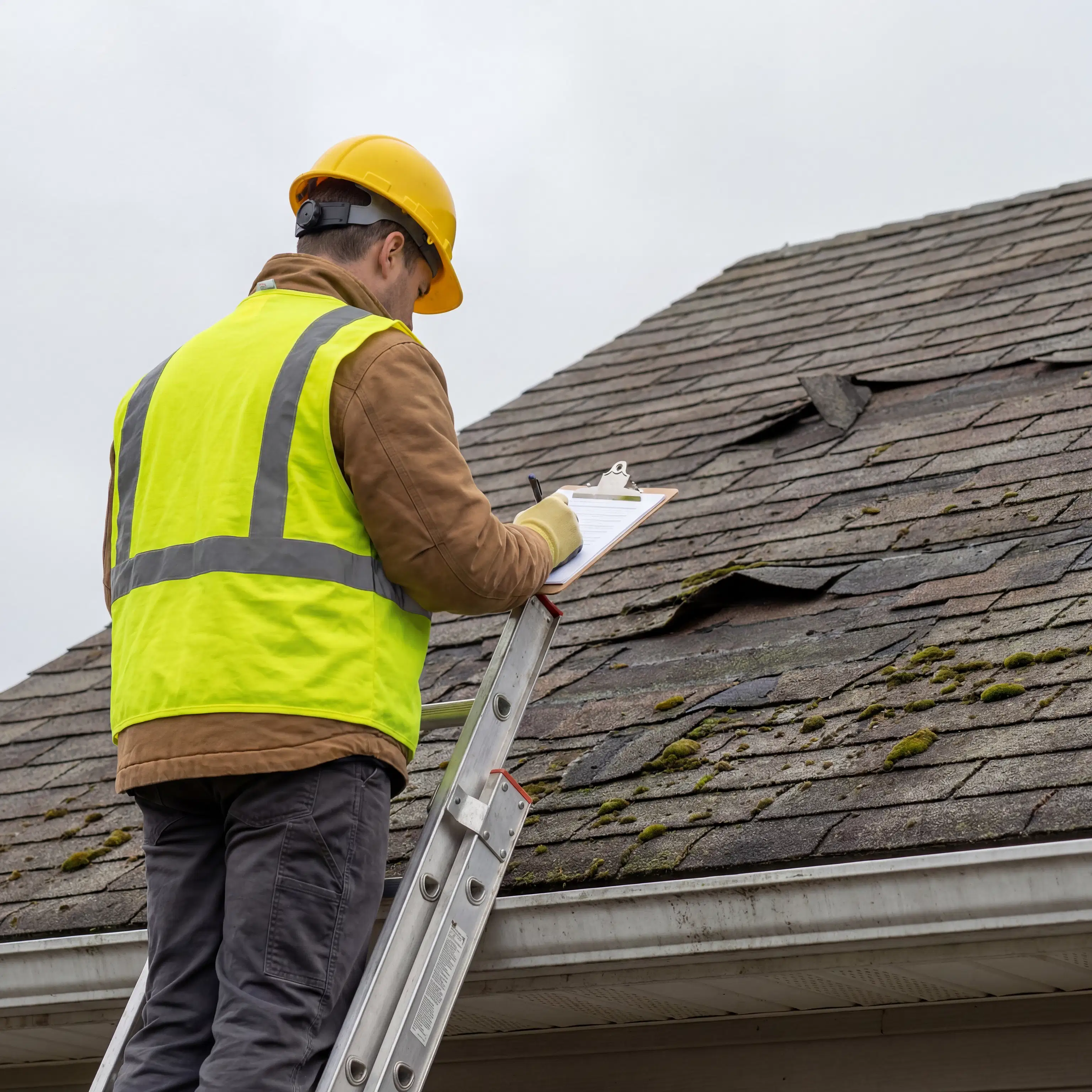
You don't need to be a roofing expert to spot potential trouble. Performing a safe visual inspection from the ground a couple of times a year, especially before the storm season, can help you catch small issues before they become costly emergencies. Grab a pair of binoculars and look for these warning signs:
- Shingle Condition: Look for any shingles that are cracked, curled, buckled, or missing entirely. Also, check your gutters for an excessive amount of shingle granules—this indicates that your asphalt shingles are aging and losing their protective layer.
- Flashing Integrity: Flashing is the metal material used to seal joints around chimneys, vents, and skylights. Check to see if it appears rusted, cracked, or pulled away from the roof. These are the most common spots for leaks to begin.
- Gutters and Downspouts: Ensure your gutters are free of leaves, branches, and other debris. Clogged gutters are a primary cause of ice dams and can lead to water overflowing and damaging your roofline, fascia, and foundation.
- Signs of Moisture: Look for any dark streaks or signs of moss and algae growth. While not always a sign of a leak, these can indicate areas that are retaining moisture, which can degrade shingles over time.
- Check the Attic: After a heavy rain, it's wise to safely check your attic for any signs of water stains, moisture, or daylight coming through the roof boards. This is a clear sign that you need a professional roof repair or replacement.
Investing in a Storm-Resistant Roofing System
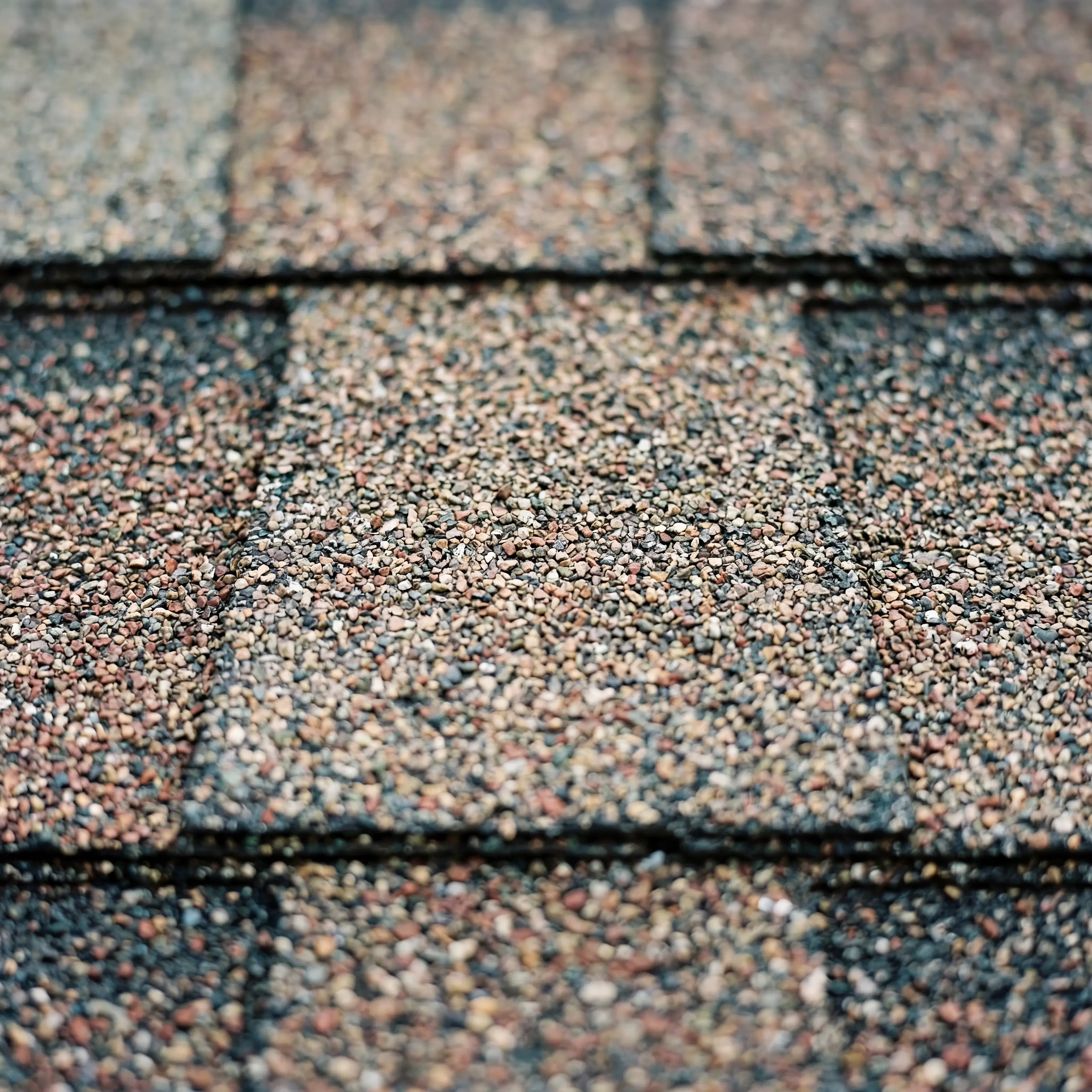
While maintenance is key, the best defense is a high-quality roofing system designed for our climate. When considering a new roof, it's not just about the shingles; it's about the entire system working together to protect your home. At TRM Exteriors, our deep background in the manufacturing and distribution of exterior products gives us unique insight into what truly makes a material durable and effective against New England weather.
Modern residential roofing materials, particularly architectural asphalt shingles, are engineered with advanced features like superior wind resistance ratings, enhanced impact resistance, and algae-resistant technology. Proper installation is just as critical as the materials themselves. A system that includes a quality underlayment, proper ventilation to combat ice dams, and meticulous flashing work ensures your roof can withstand high winds and prevent water intrusion for decades. Investing in a robust system provides not only protection but also long-term value and peace of mind.
Don't Wait for the Storm to Hit
Being proactive about your roof's health is the best way to protect your home and avoid the stress and expense of emergency repairs. By regularly inspecting your roof, keeping your gutters clean, and understanding the signs of wear and tear, you can face any Western Mass storm season with confidence.
If your inspection reveals potential issues or you simply want a professional opinion on your roof's condition, don't hesitate to reach out. The experienced team at TRM Exteriors is here to help homeowners across the Springfield area. Contact us today for a free, no-obligation inspection and estimate to ensure your home is safe, secure, and ready for anything.