
Navigating Storm Damage Roof Insurance Claims
When a severe storm rolls through the Pioneer Valley, it can leave a trail of anxiety for homeowners in its wake. High winds, heavy hail, and driving rain put the exterior of your home to the ultimate test. If your home sustains damage, the immediate aftermath is often overwhelming. Between worrying about interior water damage and trying to find a reliable contractor, the stress piles up quickly.
One of the most daunting parts of the recovery process is figuring out how to handle the financial side of things. Many homeowners find themselves wondering how to file a roof insurance claim after wind damage or questioning if their policy even covers the necessary repairs. The process can feel like a maze of paperwork, adjusters, and technical jargon.
At TRM Exteriors, we understand how frustrating this situation can be. With over 20 years of experience in manufacturing, distribution, and project management for home exterior renovations, our team has helped countless homeowners navigate these exact challenges. We believe in providing transparent, step-by-step guidance so you can restore your home without the headaches. In this guide, we will walk you through the essential steps to identifying damage, protecting your property, and successfully navigating your insurance claim.
Step 1: Identifying Storm Damage
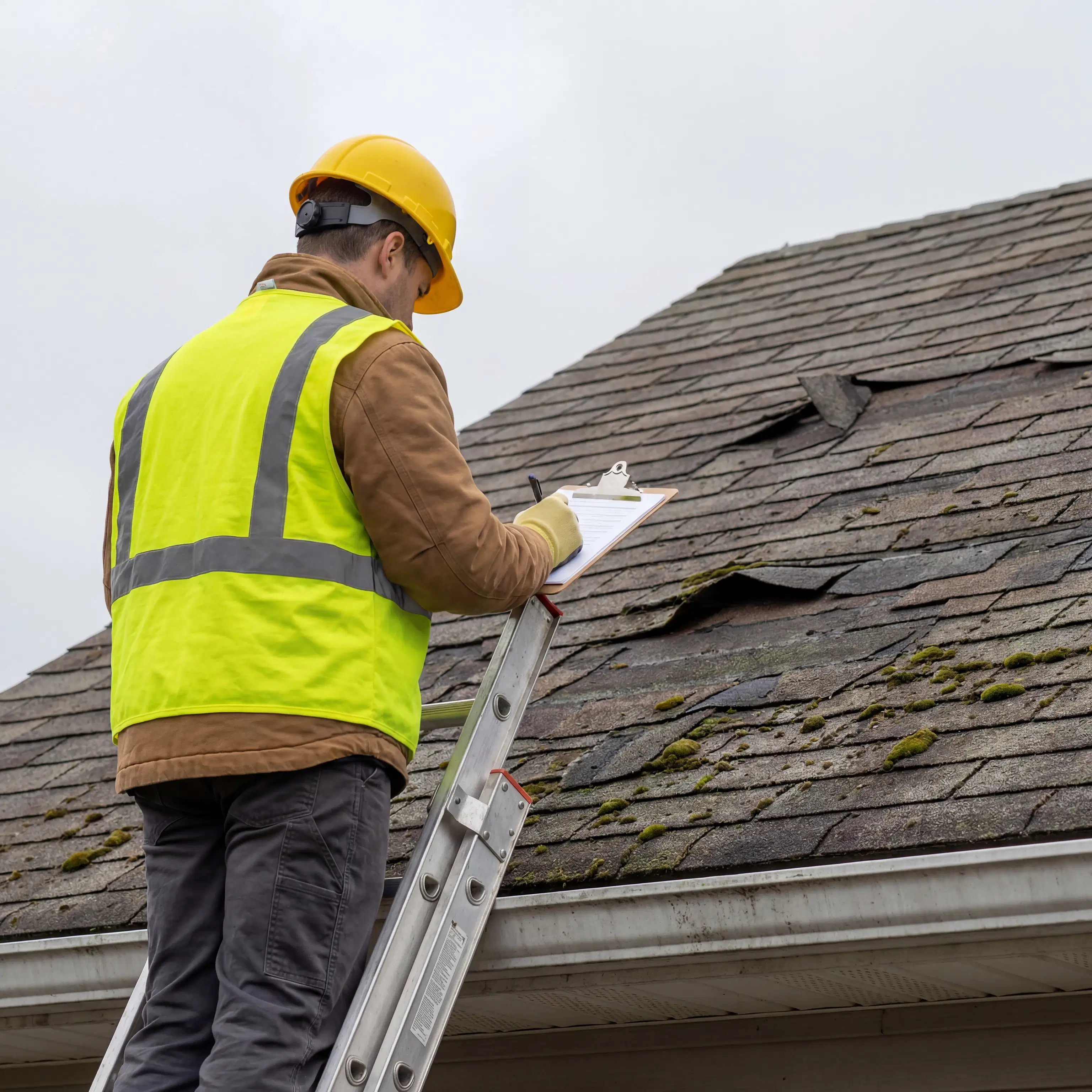
Before you can file a claim, you need to know exactly what you are dealing with. Many homeowners ask how to tell if their roof needs replacing or if it just requires minor patching. While some signs are obvious—like missing shingles in your yard or water actively dripping through your ceiling—other forms of damage are incredibly subtle.
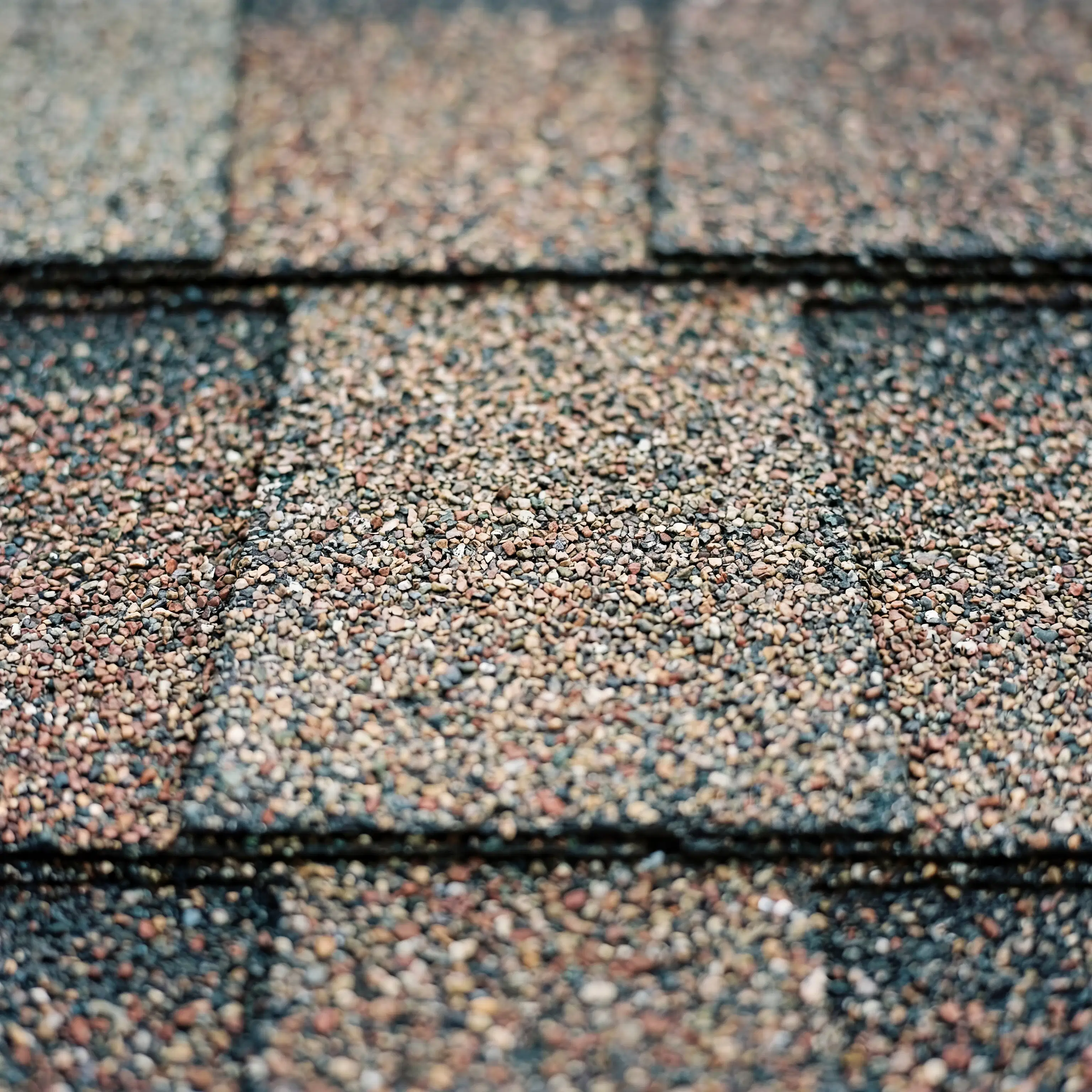
For instance, hail damage often looks like small, dark bruises on asphalt shingles. These impact marks dislodge the protective granules, leaving the underlying asphalt exposed to UV rays and future wicked weather, which eventually leads to deterioration and leaks. Wind damage might not tear a shingle completely off; instead, it can break the adhesive seal, causing the shingle to flap during gusts and let moisture seep underneath.
For your safety, we never recommend climbing up on your roof to check for damage yourself. Today's leading roofing companies utilize advanced technology to keep everyone safe while providing highly accurate assessments. At TRM Exteriors, we utilize drone-based inspections and high-resolution aerial imaging. This allows us to safely capture detailed evidence of wind or hail impacts, providing you with a clear, undeniable record to present to your insurance provider.
Step 2: Avoiding the 'Storm Chasers'
Unfortunately, severe weather often brings out opportunistic contractors known in the industry as "storm chasers." These out-of-town operations flood neighborhoods after a major weather event, knocking on doors and promising free roofs or deeply discounted roofing services. They often perform rushed, subpar work using low-quality materials, and then disappear before any workmanship issues arise.
When you are dealing with the stress of potential structural damage, it is crucial to hire a licensed, fully insured, and locally established professional. You want a team that understands local building codes and has a vested interest in the community. TRM Exteriors is deeply rooted in the area, and we pride ourselves on a personalized approach. From the initial consultation to the final cleanup, our dedicated project managers oversee every detail to ensure the highest standards of safety and quality are met.
When evaluating a contractor, always ask about their warranties. It is important to understand the difference between a manufacturer warranty, which covers the materials, and a contractor workmanship warranty, which covers the actual installation. We proudly offer comprehensive coverage on both, giving you long-term peace of mind.
Step 3: Documenting and Filing Your Claim
A common question we hear is, "Does homeowners insurance cover the cost of a roof replacement after a storm?" In most cases, if the damage is sudden and accidental—such as from a microburst, hail, or a fallen tree—your policy should cover the cost of a roof repair or replacement, minus your deductible. However, policies vary, so reviewing your specific coverage is essential.
Knowing how to document storm damage for a roof claim is the key to a successful outcome. Here is a simple step-by-step process:
- Take photos from the ground of any visible exterior damage, including displaced shingles, dented siding, or fallen branches.
- Document any interior damage, such as water stains on ceilings or walls.
- Contact a reputable local contractor for a professional inspection and a detailed, written estimate.
- File the claim with your insurance company, providing them with the contractor's inspection report, photos, and estimate.
- Meet with the insurance adjuster. A good contractor will often offer to be present during this meeting to ensure all technical damage is properly noted and accounted for.
Clear communication and thorough documentation are your best defenses against delayed payouts or underfunded claims.
Step 4: Assessing the Entire Exterior System
High winds and heavy debris rarely isolate their impact to just the top of your home. It is highly common for gutters, downspouts, and fascia boards to sustain significant damage during a severe weather event. Dented, torn, or sagging gutters can no longer properly channel water away from your foundation, leading to a host of secondary issues over time.
When an adjuster or a contractor evaluates your property, they should look at the entire exterior envelope. If your gutters have been compromised by flying branches or heavy ice buildup, you may need to schedule a gutter repair or replacement alongside your main project. Coordinating these repairs simultaneously ensures that your home is fully protected against the next round of bad weather, and having a single project manager oversee all the components guarantees a smooth, cohesive restoration.

Restoring Your Home with Confidence
Dealing with the aftermath of a storm is never easy, but you don't have to face the insurance maze alone. By documenting the damage thoroughly, understanding your policy, and partnering with an experienced, local professional, you can turn a stressful situation into a smooth restoration project.
We also know that delayed insurance payouts and unexpected deductibles can put a strain on your family's budget. That is why we are committed to transparent pricing and offer flexible financing options to help bridge the gap and get your home secured without delay.
If you suspect your home has weathered some recent damage, don't wait for a small leak to turn into a major structural problem. Contact TRM Exteriors today. From our headquarters in Hampden, we are ready to provide a thorough, honest inspection and help you take the right steps toward protecting your most valuable investment.