
Preventing Ice Dams Through Proper Attic Ventilation
If you have lived through a few winters in Springfield, you are likely familiar with the sight of massive icicles hanging from the edges of residential roofs. While they might look picturesque on a holiday greeting card, those icicles are often the first warning sign of a destructive winter phenomenon: the ice dam. Ice dams are a major headache for homeowners, leading to torn gutters, damaged shingles, and severe water leaks that can ruin interior drywall and insulation.
Many people assume that these icy buildups are simply an unavoidable consequence of heavy snowfall and freezing temperatures. However, the surprising culprit is rarely the snow itself. In almost all cases, ice dams are the direct result of poor attic ventilation. Understanding how your roof breathes is the first step in protecting your home from costly winter damage and ensuring your roofing system lasts for decades.
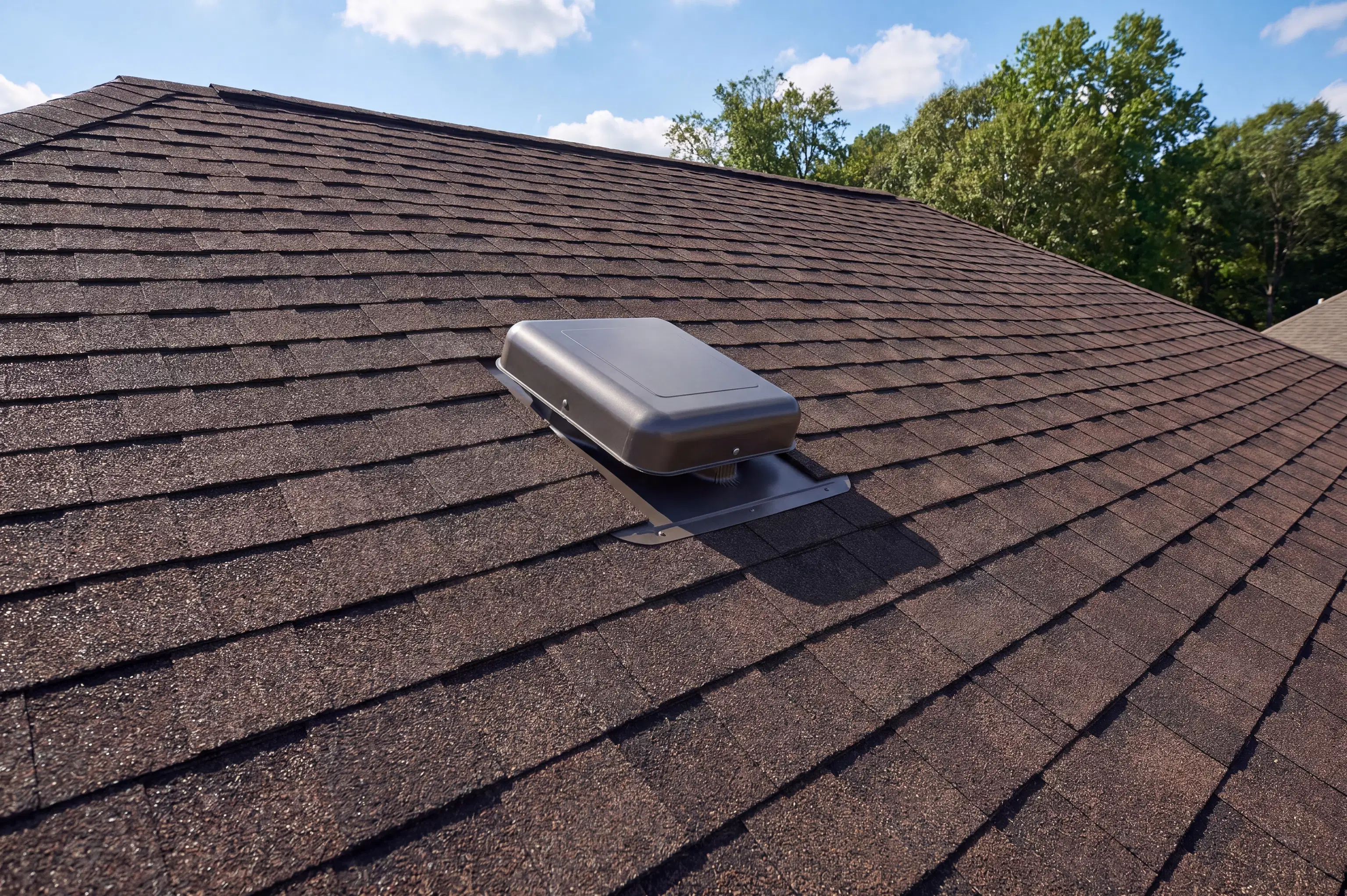
How Poor Roof Ventilation Causes Ice Dams
An ice dam forms when the temperature of your roof deck is uneven. In a poorly ventilated attic, heat from your living space escapes upward and warms the underside of your roof. This warm air melts the snow resting on the upper sections of your roof, even when the outside temperature is well below freezing.
As this melted water trickles down the slope of your roof, it eventually reaches the eaves. Because the eaves extend past the heated exterior walls of your home, they remain freezing cold. The runoff water hits this cold edge and immediately refreezes. Over time, this continuous cycle of melting and freezing builds a solid ridge of ice. This ridge traps subsequent runoff, creating a pool of standing water that eventually backs up under your shingles and leaks directly into your home.
Meeting modern attic ventilation standards for energy efficiency is not just about keeping your cooling bills down in the summer; it is absolutely essential for maintaining a cold roof deck in the winter. In fact, adhering to the strict guidelines of the Massachusetts Stretch Energy Code ensures your home has the proper balance of insulation and airflow to prevent this destructive cycle. This is especially critical for older properties, such as a classic Triple-Decker, where original construction methods rarely accounted for modern thermal dynamics.
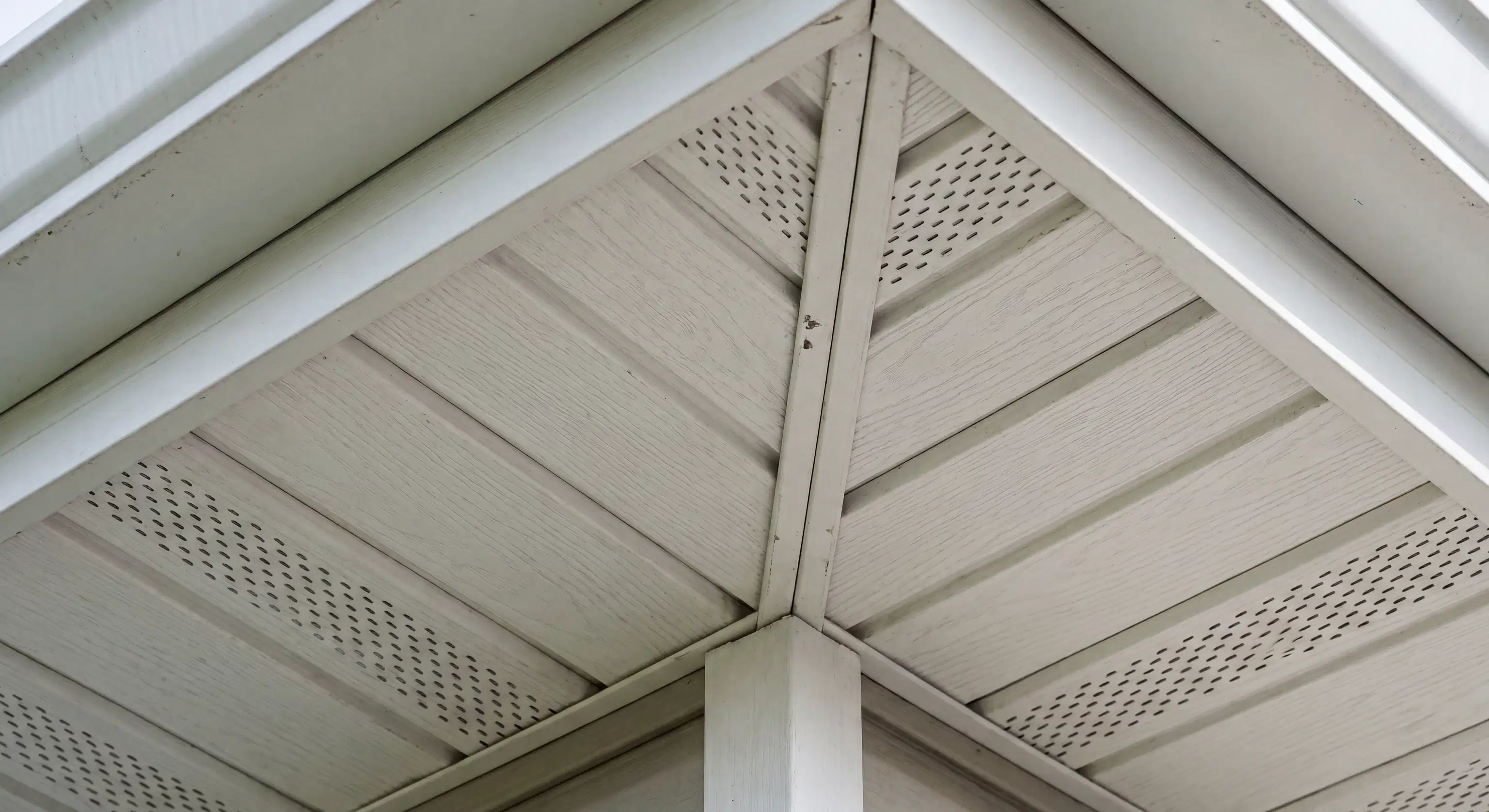
The Crucial Role of Soffit and Fascia in Attic Airflow
To keep a roof deck cold and prevent snow from melting prematurely, outside air needs to flow continuously through the attic space. This is where intake ventilation methods for shingle roofs come into play. The most effective way to introduce cold, fresh air into your attic is through the eaves, specifically utilizing your fascia and soffit.
Think of the soffit as the intake valve for your home's respiratory system. Located under the overhang of your roof, vented soffits allow cold air to enter the attic at the lowest possible point. As that air warms slightly from the ambient heat of the house, it naturally rises and exits through exhaust vents located at the peak of the roof, such as a ridge vent.
If your soffit vents are blocked by improperly installed insulation, painted over by previous owners, or simply inadequate for the square footage of your home, the entire ventilation system fails. Upgrading these components is one of the most effective ways to protect your property. When we inspect homes in The City of Homes, we frequently find that addressing soffit and fascia issues is the missing link in solving chronic winter roof leaks.
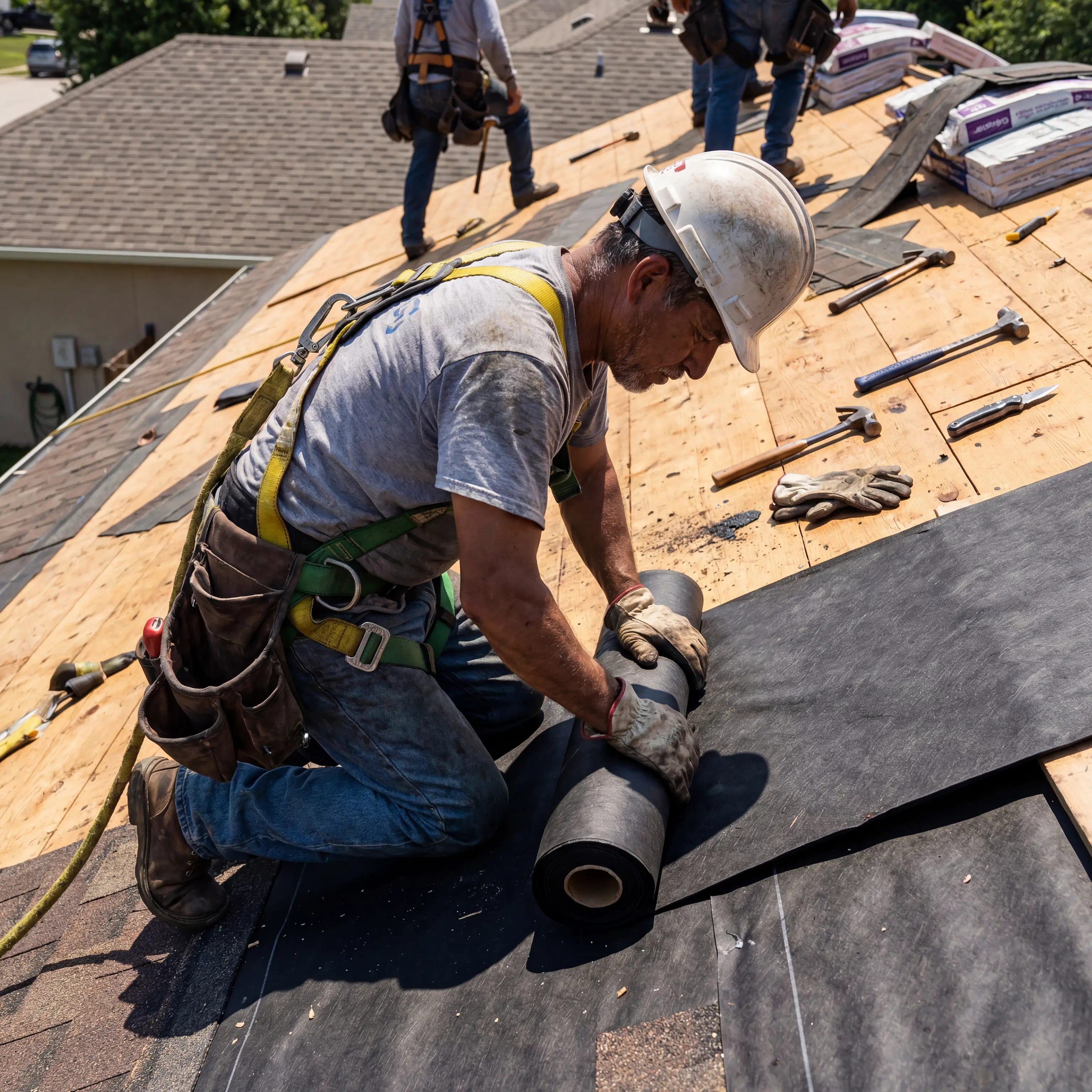
Upgrading Your Roof for Long-Term Protection
When it comes to a complete roof installation, choosing the right materials to withstand our unpredictable weather is critical. With over 20 years of experience in the manufacturing and distribution of exterior remodeling products, our team understands exactly how different materials perform under stress. We do not just rely on marketing claims; we know the true longevity of these products and how they interact with local climate conditions.
Many homeowners ask about the best roofing materials to withstand heavy snow and prevent ice buildup. While high-quality architectural shingles and proper ice and water-shield underlayment are vital, they must be paired with a flawlessly executed ventilation strategy. A premium shingle will not stop an ice dam if the attic beneath it is trapping heat.
Because material costs can fluctuate and major exterior projects are a significant investment, we provide transparent, detailed estimates. We also offer flexible financing options, including low monthly payment plans, to ensure you can protect your home without compromising your budget. Every project is personally overseen by our management team to guarantee that the final result meets our rigorous internal standards and provides you with total peace of mind.
Protect Your Home This Winter
Do not wait until water is dripping through your living room ceiling to think about your attic airflow. Addressing ventilation issues proactively can save you thousands of dollars in emergency repairs, mold remediation, and interior water damage down the road. Proper airflow is the invisible shield that keeps your roof functioning exactly as it should, no matter how much snow falls.
If you are concerned about ice dams or want to ensure your home in the Pioneer Valley is ready for whatever the season brings, TRM Exteriors is here to help. From comprehensive roof replacements to expert fascia and soffit upgrades, we have the deep industry experience to keep your home safe, dry, and energy-efficient. Contact us today to schedule a consultation and learn more about how we can protect your most valuable investment.