Why Fiber Cement Siding Outperforms Traditional Materials
Living in Springfield means your home is subjected to a truly unique set of weather challenges. From the blistering humidity of late July to the heavy, wet snows and freezing temperatures of January, your home's exterior acts as the primary shield against the elements. When the time comes to update your home's exterior, selecting a material that can withstand these dramatic seasonal shifts is one of the most important investments you will make.
For decades, homeowners have debated the merits of wood, vinyl, and aluminum. However, a modern solution has steadily taken over the market, offering unparalleled protection and beauty. Fiber cement has revolutionized the exterior remodeling industry, providing a robust alternative that addresses the most common frustrations homeowners face with older materials.
The Battle Against the Elements
When evaluating the fiber cement vs vinyl siding durability comparison, the differences become starkly apparent during our harsh winters. Vinyl siding, while budget-friendly, has a tendency to become brittle in freezing temperatures. A stray branch blown by a winter storm or an accidental bump from a snow shovel can easily crack or puncture vinyl panels. Wood siding, on the other hand, requires constant maintenance to prevent moisture intrusion, which inevitably leads to peeling paint and structural decay.
This is where fiber cement truly shines. Engineered from a blend of wood pulp, cement, water, and sand, this material is exceptionally dense and dimensionally stable. One of the most significant fiber cement siding advantages for harsh winters is its ability to withstand extreme temperature fluctuations without expanding, contracting, or warping. When the temperature drops below freezing, fiber cement remains rigid and impact-resistant, providing peace of mind during severe weather events.
Superior Moisture and Fire Resistance
Beyond just temperature extremes, moisture management is a critical concern for local homeowners. The freeze-thaw cycle, combined with the risk of ice dams forming along rooflines, can force water behind traditional siding materials. Understanding how fiber cement siding resists moisture and rot is key to appreciating its long-term value. Because of its unique composition, fiber cement does not absorb water the way natural wood does. It is impervious to wood-boring insects and completely resistant to fungal decay and rot.
Furthermore, fiber cement is non-combustible. While vinyl melts and wood fuels a fire, fiber cement will not ignite when exposed to a direct flame. This exceptional fire resistance not only adds a crucial layer of safety for your family but can also occasionally result in lower homeowner insurance premiums.
With stricter compliance required by the Massachusetts Stretch Energy Code, upgrading your exterior is also an opportunity to improve your home's thermal envelope. When paired with high-quality house wrap and rigid foam insulation, fiber cement siding helps reduce thermal bridging, keeping your home warmer in the winter and cooler in the summer, ultimately lowering your monthly utility bills.
Preserving Historic Charm Without the Hassle
We live in an area affectionately known as The City of Homes, boasting incredible historic architecture in neighborhoods like McKnight and Forest Park. Preserving the classic aesthetic of these Victorian and Colonial homes is a priority for many residents, but maintaining original wood clapboard is incredibly labor-intensive and expensive.
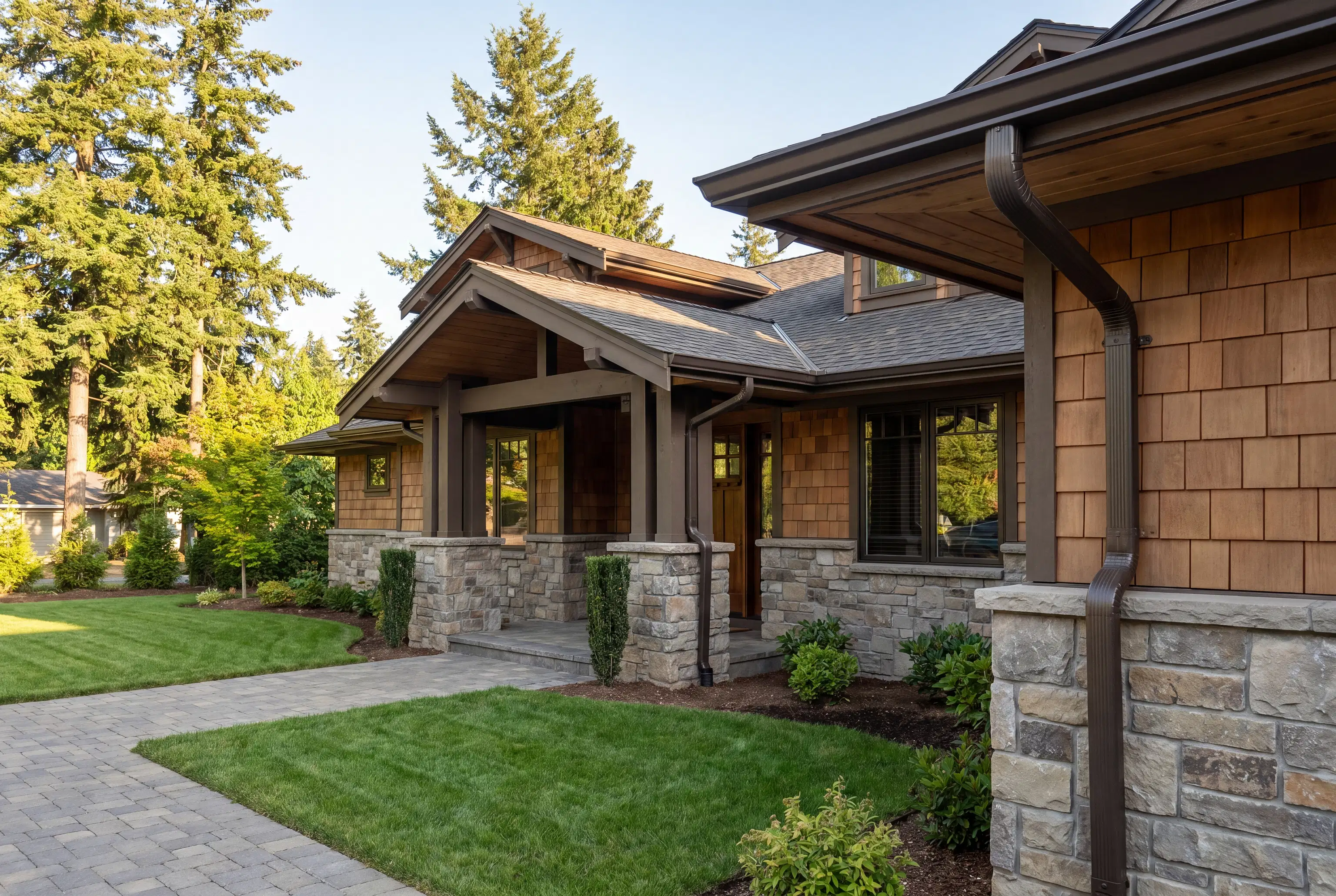
Fiber cement offers the perfect compromise. It can be manufactured with deep, authentic wood-grain textures that closely mimic the look of natural cedar shingles or traditional lap siding. You can maintain the historical integrity and curb appeal of your property while upgrading to a modern, low-maintenance material. It also holds paint significantly longer than wood, meaning you can enjoy vibrant, custom colors for up to fifteen years before needing a fresh coat.
The Importance of Expert Installation
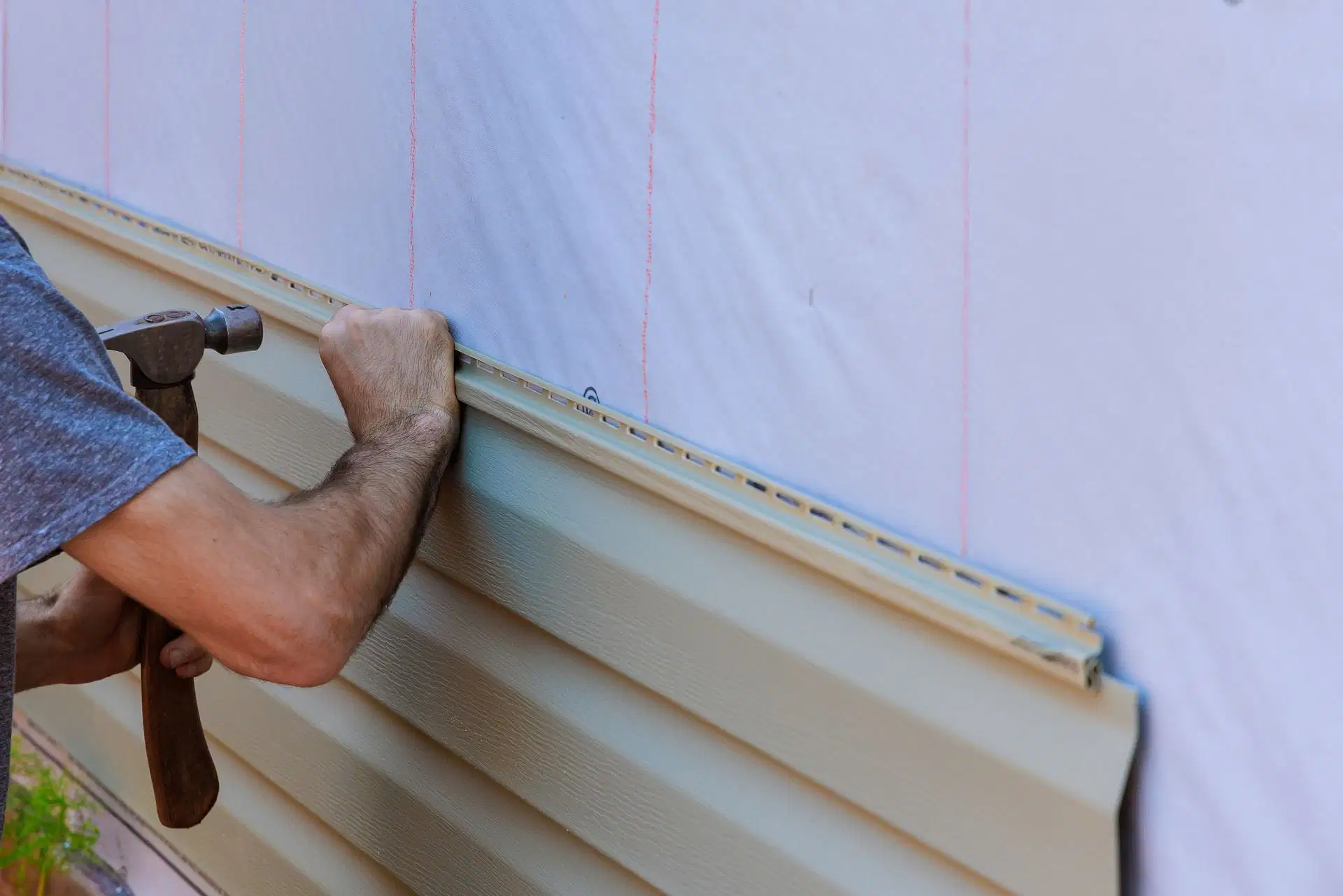
Even the highest quality materials will fail if they are not installed correctly. Proper installation is critical to ensuring your new exterior performs exactly as designed, especially when it comes to managing moisture and maintaining energy efficiency.
At TRM Exteriors, we approach every project with a unique perspective. With over 20 years of experience in the manufacturing and distribution of exterior building products, we possess an intimate understanding of how these materials are engineered and how they perform in the real world. We don't just rely on marketing brochures; we know the science behind the products we recommend.
When you choose us for your siding installation or replacement, you are not just getting a work crew. You receive a dedicated project manager who oversees the entire process from the initial consultation to the final cleanup. This single point of contact ensures that every detail is executed flawlessly, preventing scheduling conflicts and ensuring a cohesive, stress-free experience. We also understand that a major exterior overhaul is a significant financial commitment, which is why we provide transparent, detailed estimates and offer flexible financing options to help make your dream home a reality without compromising on quality.
Ready to Transform Your Home's Exterior?
Upgrading your home is about more than just boosting curb appeal; it is about investing in long-term protection, energy efficiency, and peace of mind. Fiber cement delivers on all fronts, offering a durable, beautiful, and low-maintenance solution that is perfectly suited for the unpredictable weather of the Pioneer Valley.
If you are tired of painting peeling wood or worrying about cracked vinyl, it might be time to explore a better alternative. Contact TRM Exteriors today to learn more about our fibre cement siding options and discover how we can help protect and beautify your Western Mass home for decades to come.